Located on the oldest border line in Europe, the border town of Penamacor was one of the vanguard sentinels of Portuguese territory north of the Tagus River since the dawn of the nation. It is within this context of a border marker and stronghold in the defense of vital space that Penamacor defined itself until practically the 19th century. The medieval fortification located in the current Cimo da Vila, or the 17th-century bastioned complex, are still identifiable structures that bear witness to those times. Furthermore, the territory boasts a vast and rich collection of built, archaeological, and ethnographic historical heritage, extending from the Neolithic period to the present day. The imposing keep, one of the last medieval towers to be erected in the country, and the old convent of Santo Antônio are two landmarks of the region. The cruciforms that dot the streets of Penamacor and Bemposta remind us of the ethnic and religious diversity, with the presence of Jews and converts in the territory. Religious traditions, from Lent to pilgrimages, demonstrate that ancient customs are still deeply rooted, as is the tradition of the Madeiro (bonfire), whose roots are thousands of years old.
Penamacor is now known as Vila Madeiro (Village of the Bonfire), especially important if you visit the region at Christmas time. It is here that we find the largest bonfire in Portugal, in other words, the bonfire of the Baby Jesus that begins long before Christmas Day and serves as an "excuse" to gather the population after Christmas Eve dinner.
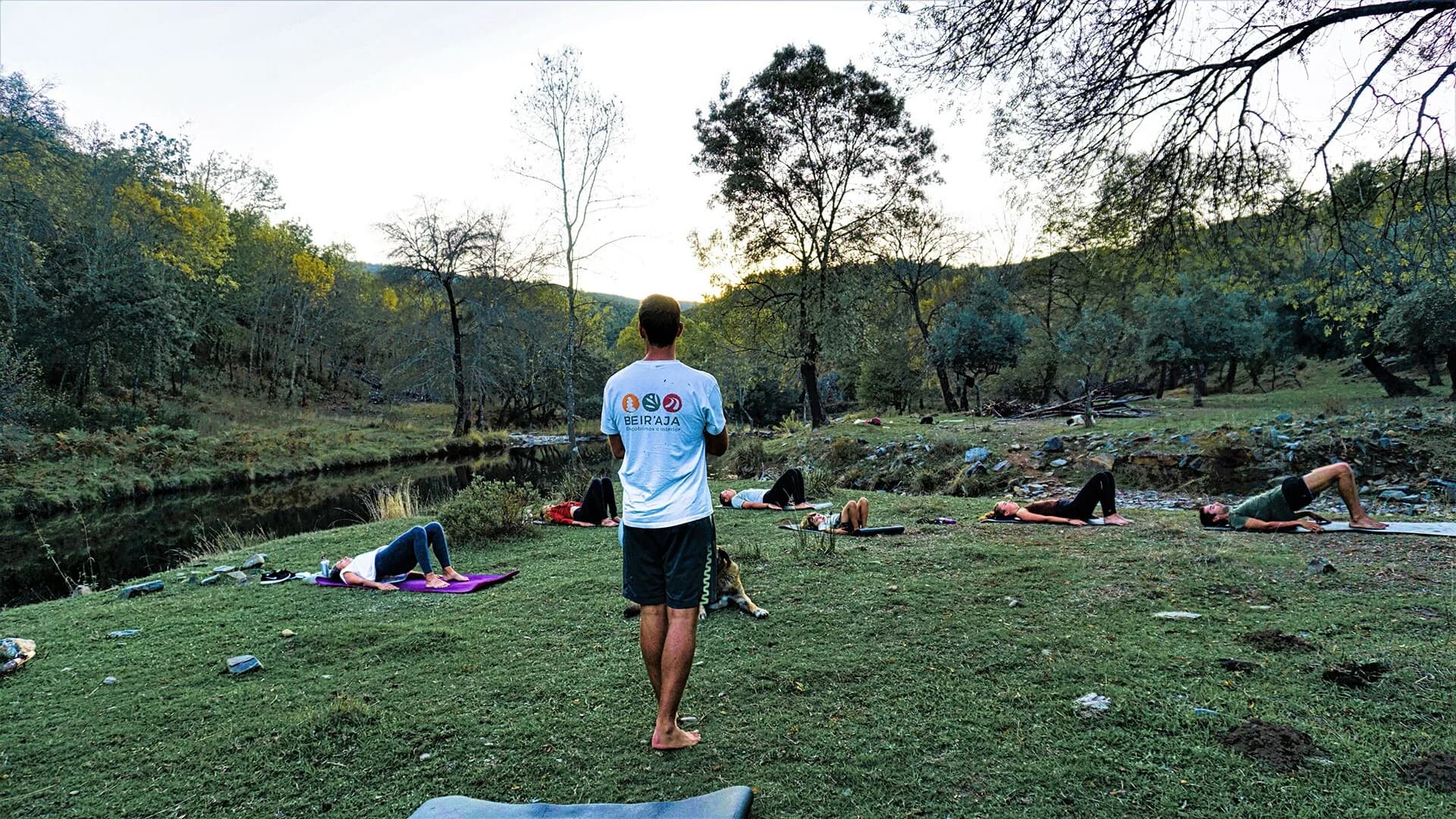
The territory of Penamacor is also recognized by the European Charter for Sustainable Tourism "Lands of the Lynx," which brings together the border municipalities of Penamacor, Sabugal, and Almeida and holds within it many potentialities. Promoting natural heritage, mainly located in the Serra da Malcata Natural Reserve, and nature tourism is a path to follow.
Nestled amidst breathtaking landscapes sculpted over hundreds of millions of years, between the Meseta and the Central Iberian Mountains, where the Beira Baixa province borders the Alentejo region, Penamacor is the natural habitat of the Iberian Lynx, which shares the Serra da Malcata Natural Reserve with an extraordinary diversity of flora and fauna.
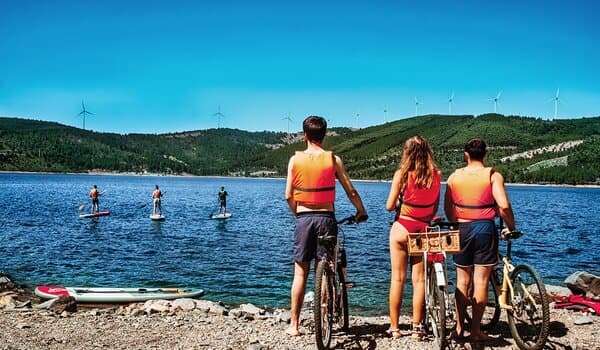
The richness of its natural landscape is intrinsically linked to water, whether through the presence of the Meimoa River or the magnificent bodies of water associated with the Meimoa Reservoir and the Baságueda Dam. These scenic views can be enjoyed via the network of pedestrian and cycling trails, the Serra da Malcata trail, or the experience offered by the Great Route of the Historical Villages.
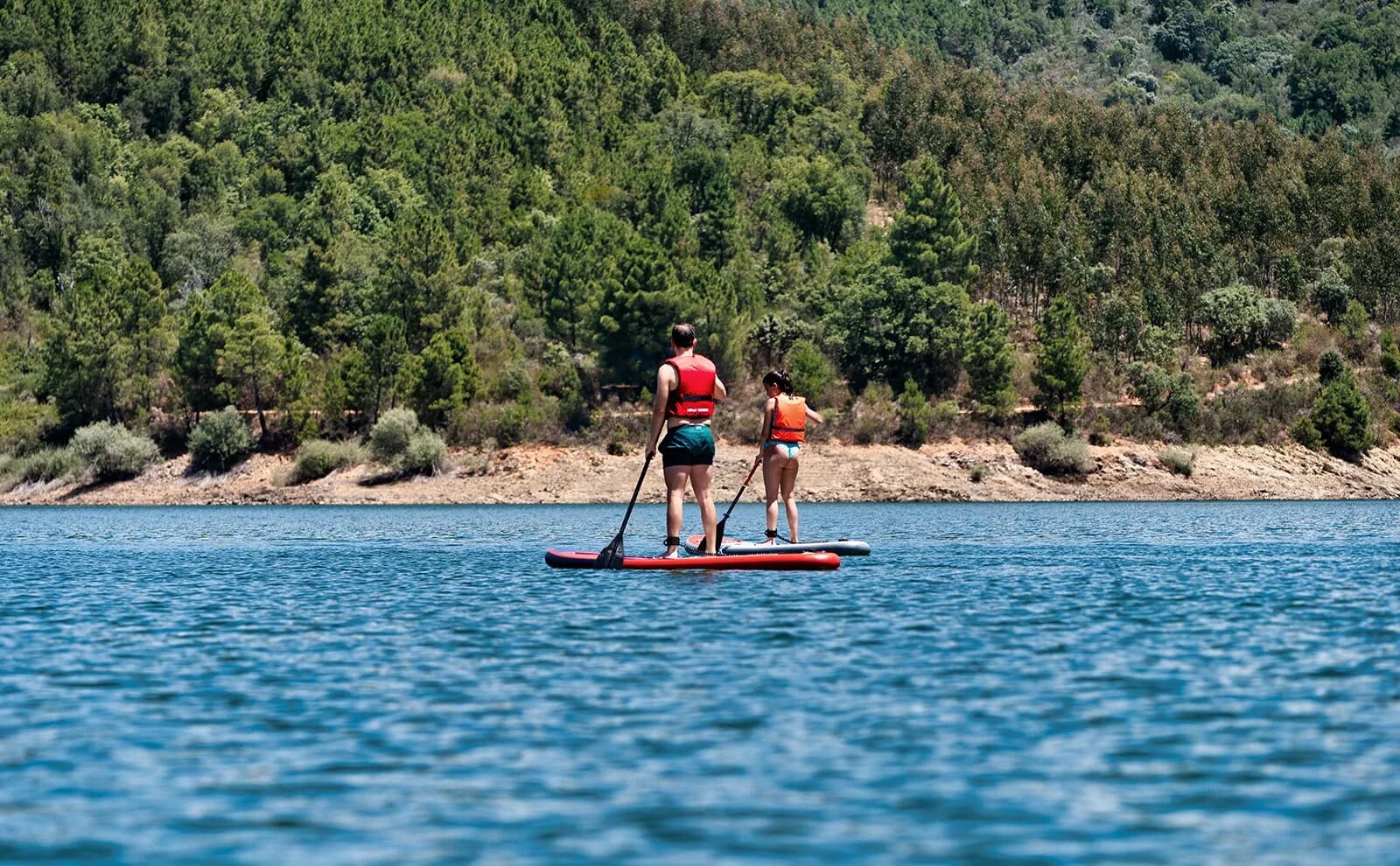
The Meimão bathing area, the Meimoa leisure area, and the Benquerença leisure area provide visitors with excellent moments of leisure in an aquatic environment. Leisure sports activities on the water, such as canoeing, kayaking, pedal boat rentals, and stand-up paddleboard rentals, are offered by tour operators. The natural heritage provides countless experiences in a territory that makes sustainability its hallmark.
The Penamacor Nautical Station was thus established on a concept of nautical tourism associated with sports and leisure activities, integrated into the rest of the territory's offerings – its natural and cultural heritage – creating unique and authentic experiences that reduce seasonality and extend the average length of stay.

Estação Náutica de Penamacor holds the official recognition awarded by the Portuguese Nautical Stations Network. View the certificate and accreditation details.
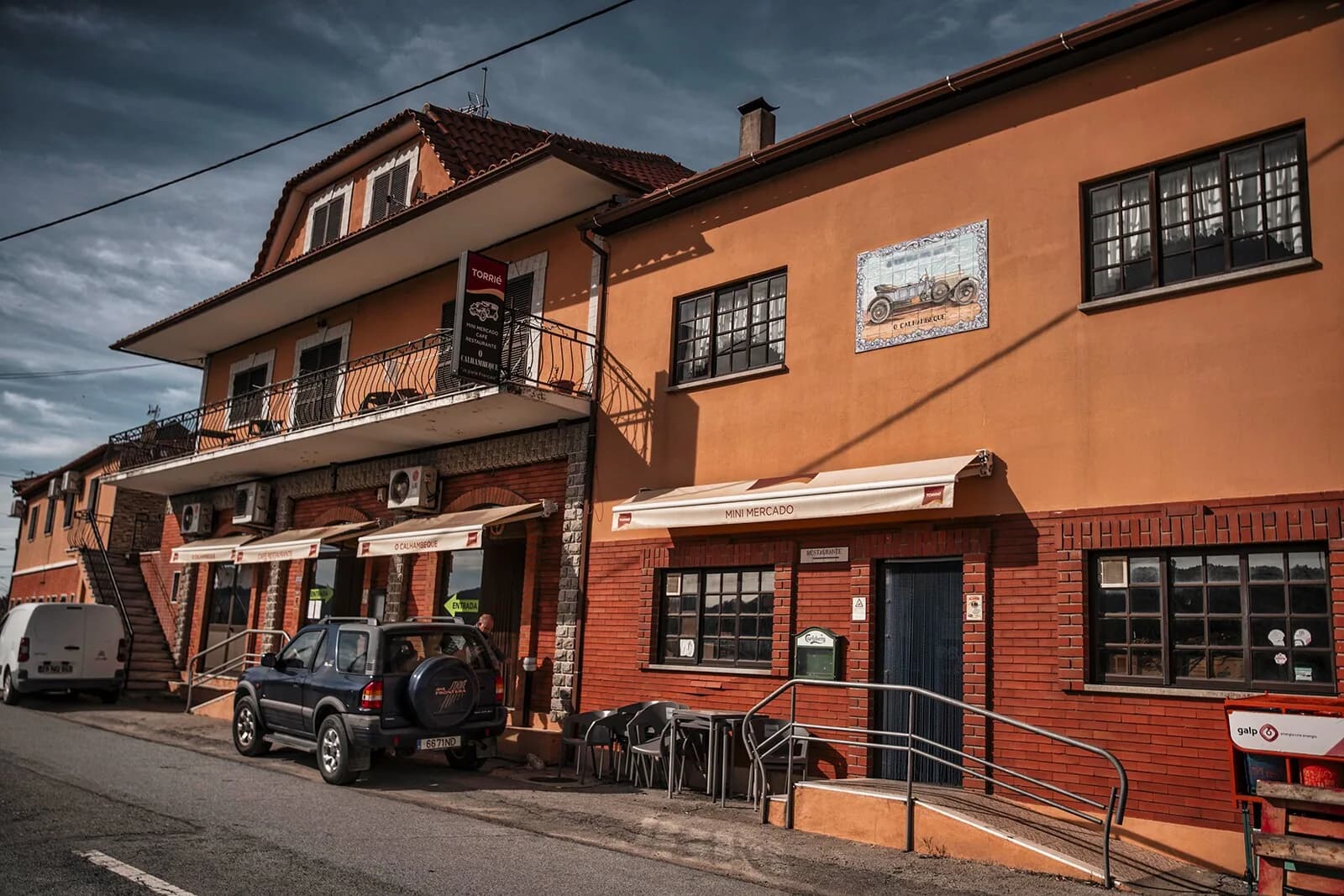
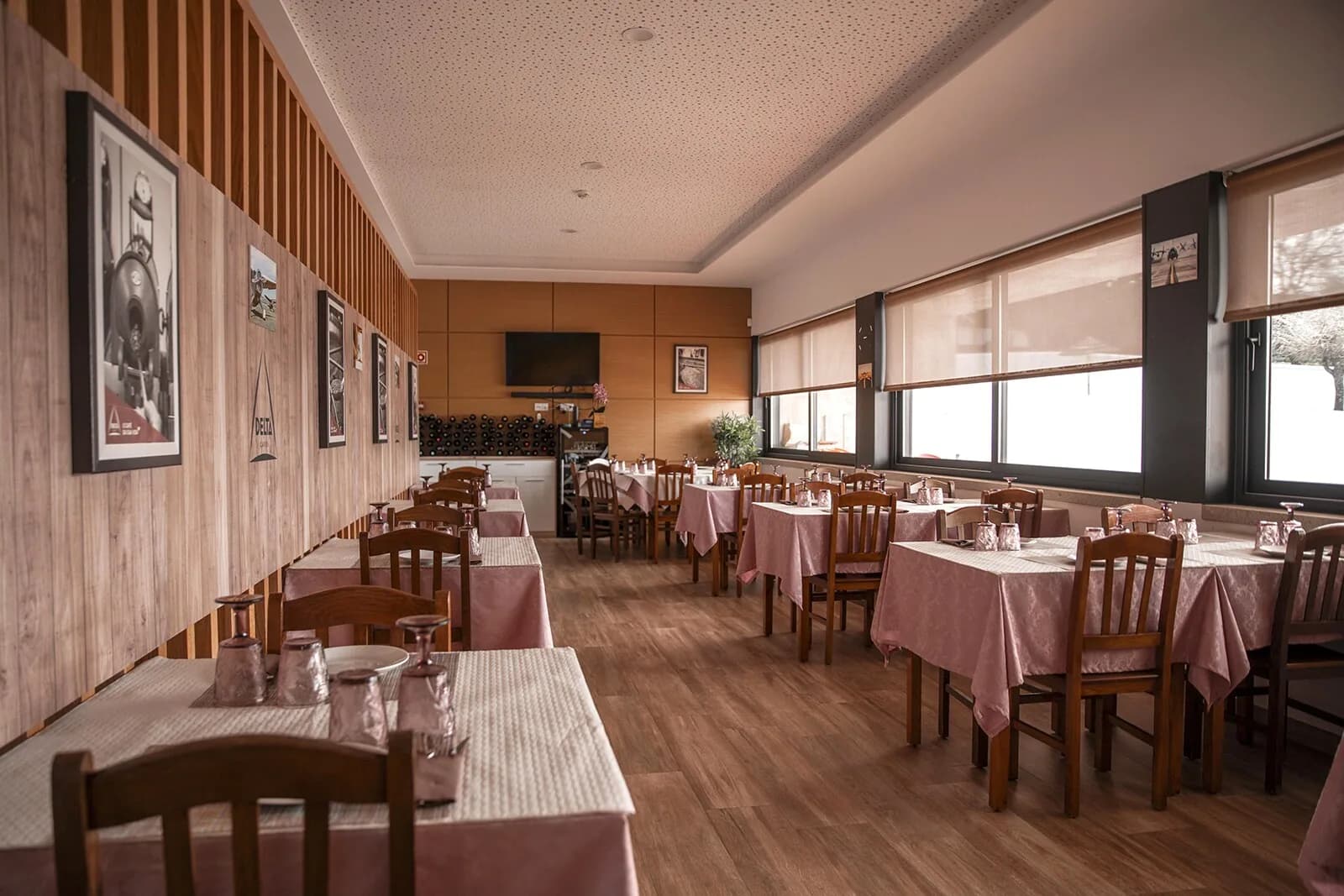
View certificateDiscover the best local and international flavours, from traditional cuisine to modern and refined options.
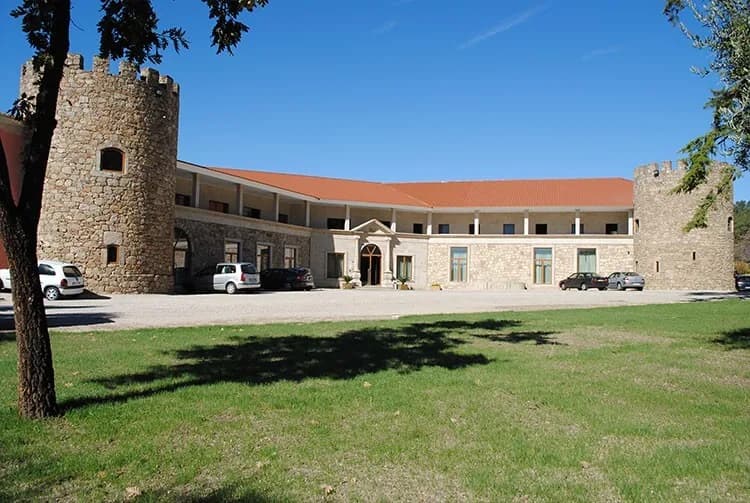
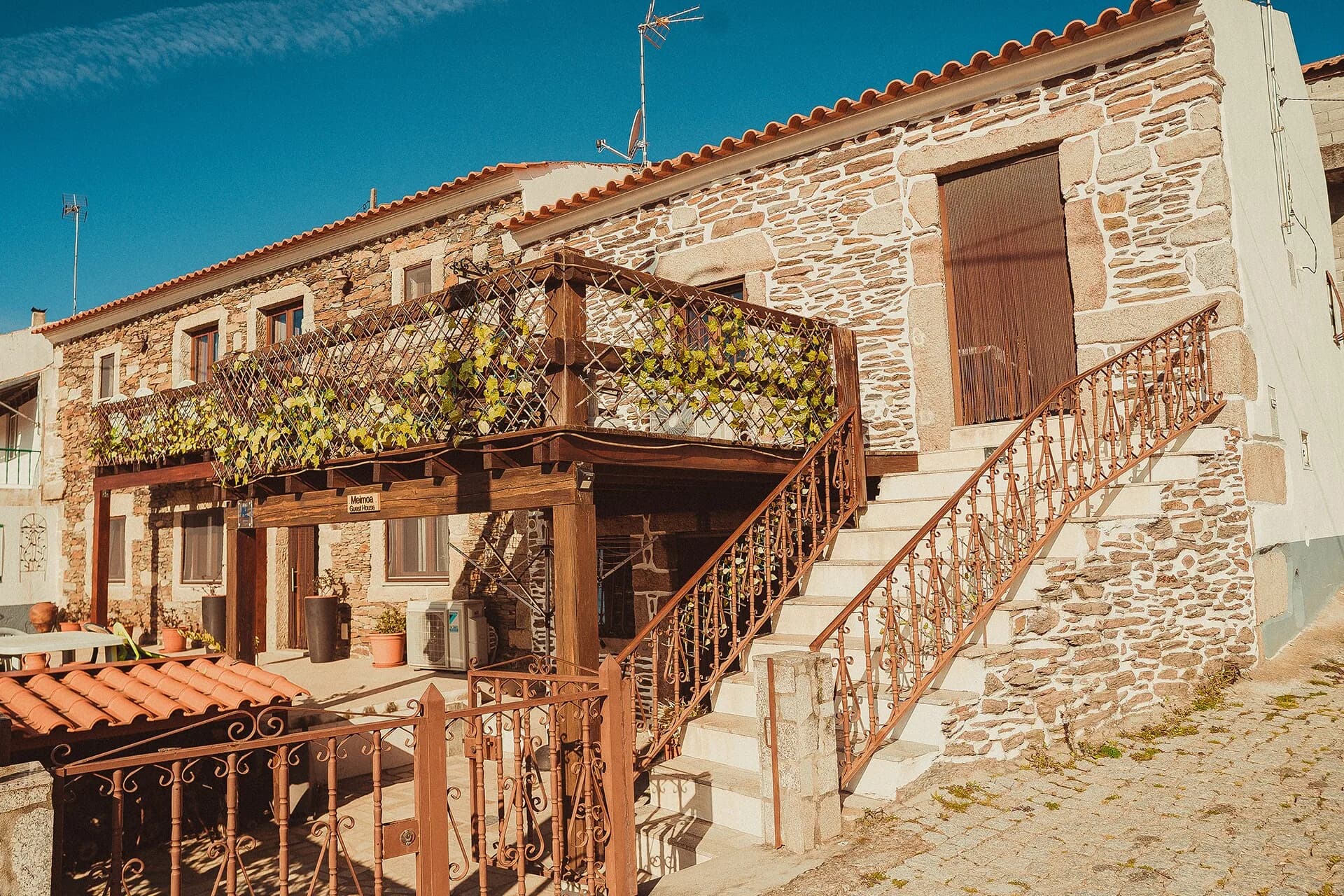
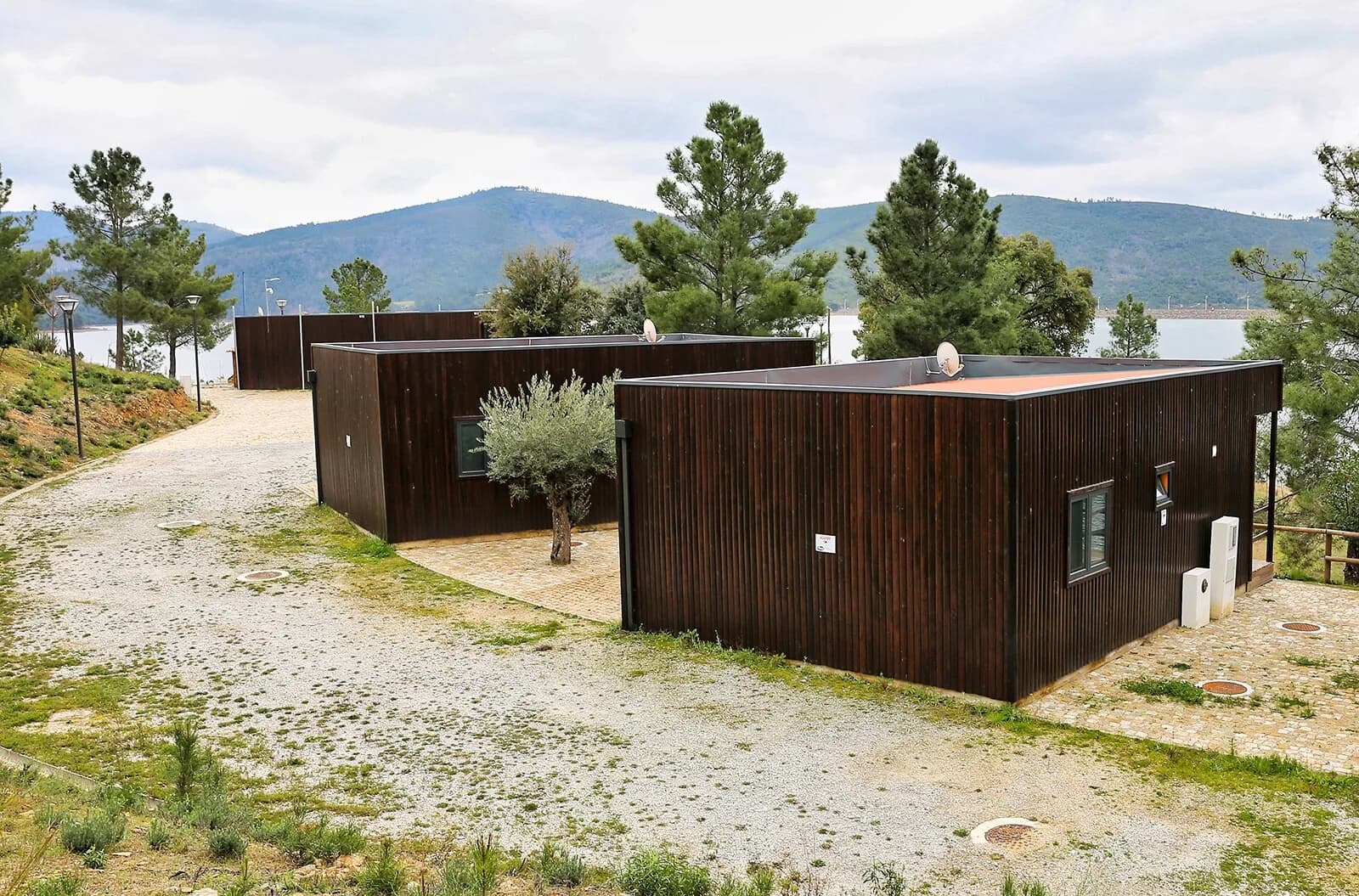
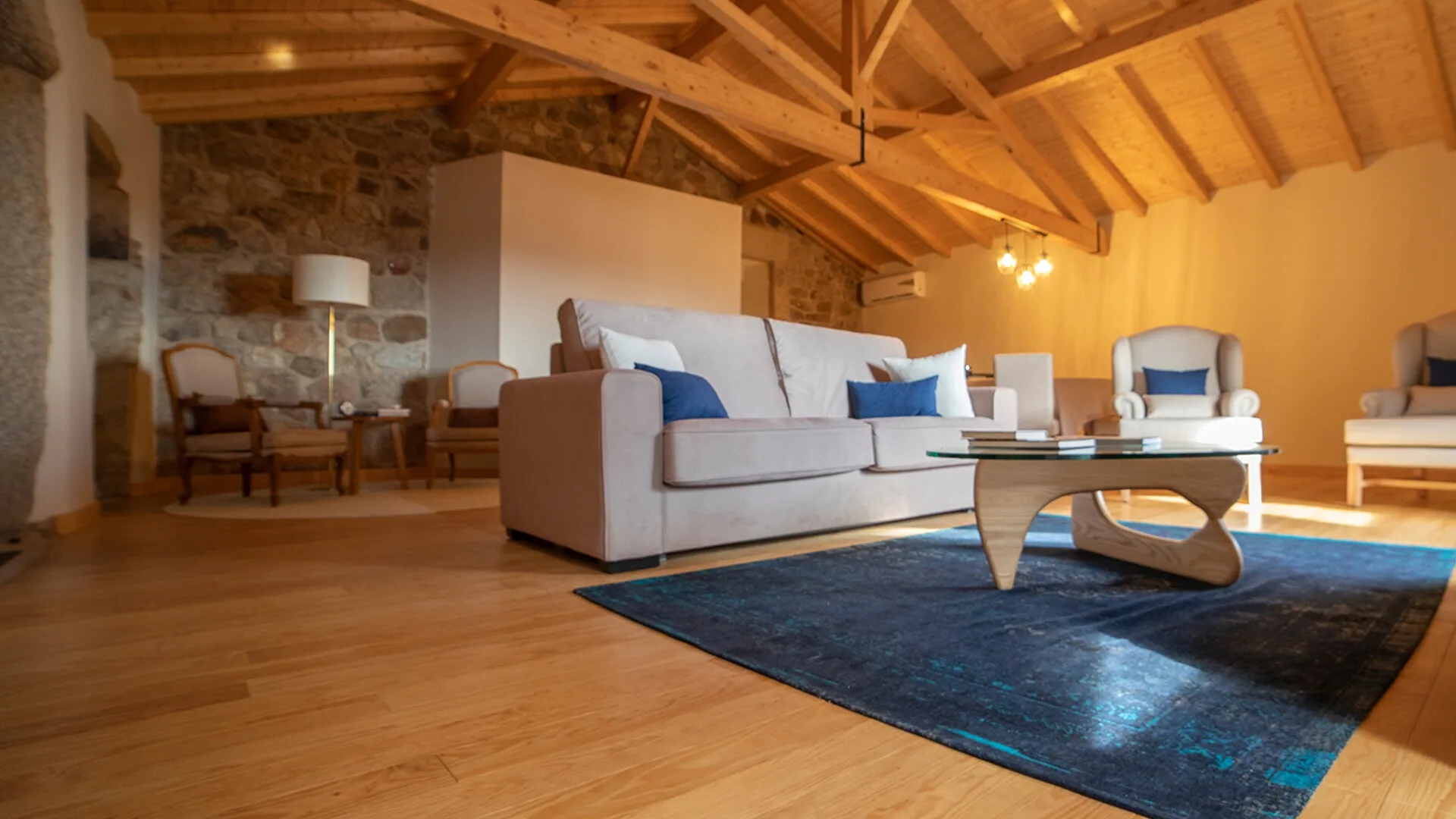
Find the perfect accommodation for a rest, including hotels, guest houses, and rural tourism, with all the comfort you are looking for.













Fórum Oceano is the managing entity of the Portuguese Sea Cluster, certified and recognised by the Ministry of Economy and Sea, Ministry of National Defence, and Ministry of Planning and Infrastructure.
UPTEC Mar, sala C2, Av. da Liberdade S/N 4450-718 Leça da Palmeira – Portugal
Copyright @ 2026 Nautical Stations of Portugal. All rights reserved. Developed By Yacooba Labs.